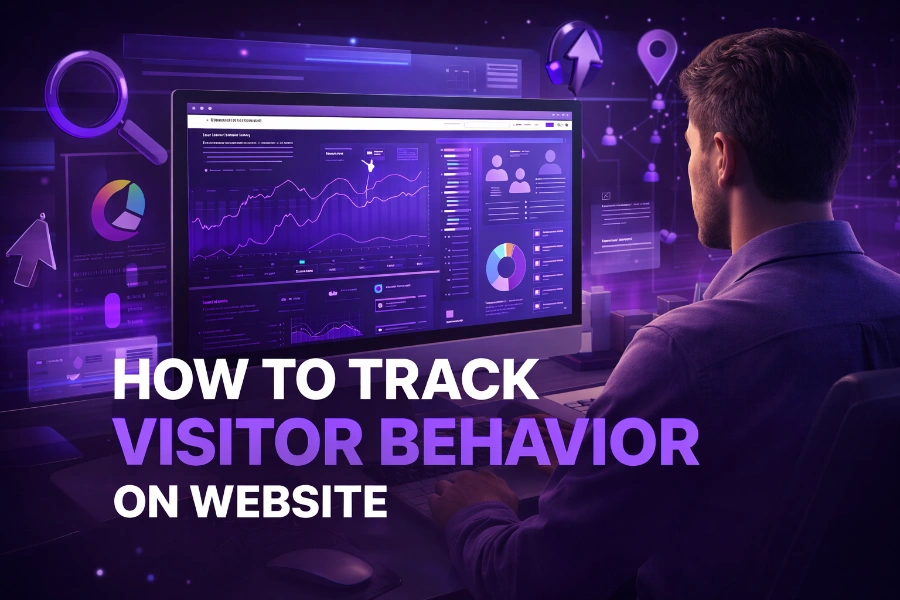
First of all, How people interact with your website is no longer optional if you want to grow online. When you track visitor behavior on website correctly, you uncover what drives engagement, what causes drop-offs, and what leads to conversions.
This guide walks you through practical, modern strategies to help you track, analyze, and improve user behavior. By the end, you will know exactly how to turn raw data into real business results.
What Website Visitor Behavior Tracking Really Means
Website visitor behavior tracking is the process of collecting and analyzing how users interact with your pages. It goes beyond traffic numbers and focuses on actions like clicks, scrolls, time spent, and navigation paths.
When you understand behavior, you stop guessing and start making data-driven decisions. This helps you optimize your website for better performance and higher conversions.
You can use tools that help you track site conversions and funnels easily while analyzing user journeys, which makes it easier to identify where visitors drop off and what keeps them engaged.
Why Tracking Visitor Behavior Matters For Growth
If you are not tracking behavior, you are leaving growth opportunities on the table. Businesses that use behavioral insights often see higher conversion rates because they optimize based on real user actions.
Tracking behavior allows you to identify friction points in your website experience. These insights help you refine layouts, improve messaging, and guide visitors toward desired actions.
It also helps you understand intent, which is critical for improving marketing strategies. When you know what users want, you can deliver content that matches their expectations.
Types Of Visitor Behavior You Should Track
Click Behavior
Click tracking shows where users interact most on your pages. This helps you understand which elements attract attention and which ones get ignored.
Scroll Depth
Scroll tracking reveals how far users go on your pages. If visitors stop halfway, it may indicate weak content or poor structure.
Session Duration
Time spent on a page tells you how engaging your content is. Longer sessions often indicate stronger interest and better user experience.
Understanding how tools work behind the scenes can improve your tracking strategy, especially when you explore resources like how content generators work, and how to use them which explain how data-driven systems analyze and process behavior signals.
Tools You Can Use To Track Visitor Behavior
There are many tools available, but choosing the right one depends on your goals. Some tools focus on analytics, while others offer visual insights, such as heatmaps.
Popular categories include:
- Analytics platforms for traffic data
- Heatmap tools for visual interaction tracking
- Session recording tools for real user journeys
- Feedback tools for direct user input
Each tool serves a specific purpose, so combining them often delivers the best results. The key is to avoid overwhelming your website with too many tracking scripts.
Heatmaps And Why They Matter
Heatmaps provide a visual representation of user behavior on your website. They show where users click, move, and scroll the most.
This type of data is extremely useful because it simplifies complex behavior patterns. Instead of analyzing raw numbers, you can see exactly how users interact with your content. Tools like Viiewerr can help businesses understand audience interactions and improve their digital experience strategies.
Understanding how visitors engage with online platforms can provide additional insights into user preferences and browsing habits. Resources like Viewifi can help explore publicly available digital content and improve awareness of online user interactions.
Heatmaps also help you identify design flaws quickly. If important elements are ignored, you can reposition them for better visibility.
Session Recordings For Deeper Insights
Session recordings allow you to watch real user interactions on your website. This gives you a clearer understanding of how visitors navigate your pages.
By analyzing recordings, you can identify usability issues that numbers alone cannot reveal. For example, you may notice users struggling with forms or navigation menus.
These insights help you improve the user experience significantly. Fixing small issues often leads to noticeable improvements in conversion rates.
Event Tracking And User Actions
Event tracking focuses on specific user actions such as button clicks, form submissions, and downloads. This type of tracking helps you measure important interactions that drive results.
When you track events, you gain detailed insights into how users engage with key elements. This allows you to optimize those elements for better performance.
Understanding how automation tools assist with content and data workflows can enhance your strategy, especially when reviewing insights from what is an AI writing assistant and how is it beneficial which highlights how AI tools process user interactions and improve efficiency.
Understanding User Intent Through Behavior
User intent is the reason behind a visitor’s actions on your website. Tracking behavior helps you uncover this intent without directly asking users.
For example, repeated visits to pricing pages may indicate strong buying interest. On the other hand, quick exits may signal confusion or dissatisfaction. Understanding these patterns allows businesses to create more relevant experiences for different audiences.
Platforms like Vieweno highlight how analyzing digital interactions can help businesses better understand online behavior and improve user experiences.
By understanding intent, you can tailor your content and offers to match user expectations. This leads to better engagement and higher conversions.
Privacy Considerations In Visitor Tracking
Tracking user behavior comes with responsibility. You must ensure that your tracking practices comply with privacy regulations.
Modern tracking solutions focus on ethical data collection. This includes anonymizing data and avoiding invasive tracking methods.
Respecting user privacy builds trust, which is essential for long-term success. Always be transparent about how you collect and use data.
Common Mistakes To Avoid
Many businesses make mistakes when implementing visitor tracking. These mistakes can lead to inaccurate data and poor decisions.
Common errors include:
- Tracking too many metrics without clear goals
- Ignoring qualitative insights like user feedback
- Overloading websites with tracking scripts
Avoiding these mistakes helps you get more accurate and actionable insights. Focus on quality over quantity when it comes to data.
How To Turn Data Into Action
Collecting data is only the first step. The real value comes from turning that data into actionable insights.
Start by identifying patterns in user behavior. Look for trends that indicate problems or opportunities.
Then, test changes based on those insights. Continuous testing and optimization are key to improving website performance.
Combining Tools For Maximum Results
Using a single tool may not give you the full picture. Combining multiple tools provides a more comprehensive understanding of user behavior.
For example, you can use analytics tools for traffic data and heatmaps for visual insights. Session recordings add another layer of depth.
This combination helps you make more informed decisions. It ensures that you are not relying on incomplete data.
Future Of Website Visitor Tracking
Visitor tracking is evolving rapidly. New technologies focus on privacy, accuracy, and real-time insights.
AI-driven tools are becoming more common. They help analyze large amounts of data quickly and provide actionable recommendations.
Staying updated with these trends ensures that your tracking strategy remains effective. Adaptation is key in the ever-changing digital landscape.
Conclusion
Tracking visitor behavior on website is one of the most powerful ways to improve performance and drive growth. When you understand how users interact with your site, you can make smarter decisions that lead to better results.
By using the right tools, focusing on meaningful data, and respecting user privacy, you create a strong foundation for success. Consistent analysis and optimization will help you stay ahead of competitors and deliver a better experience to your audience.
The key is to start simple, track what matters, and continuously refine your approach based on real user behavior.
FAQs
What Is Website Visitor Behavior Tracking And Why Is It Important
Website visitor behavior tracking analyzes how users interact with pages, including clicks, scrolls, and navigation paths. It helps you understand user intent, identify friction points, improve user experience, and optimize conversions using real data instead of assumptions or guesswork.
How Can I Track Visitor Behavior On My Website Effectively
You can track visitor behavior using tools like analytics platforms, heatmaps, and session recordings. These tools collect data on user interactions, allowing you to monitor actions, identify patterns, and make informed decisions that improve engagement, retention, and overall website performance.
What Tools Are Best For Tracking Website Visitor Behavior
The best tools include Google Analytics for traffic data, Hotjar for heatmaps and recordings, and behavior-focused platforms that track user journeys. Combining tools provides deeper insights, helping you understand both what users do and why they behave that way.
What Is The Difference Between Analytics And Visitor Tracking
Analytics focuses on quantitative data like pageviews and traffic sources, while visitor tracking provides qualitative insights such as user interactions and behavior patterns. Together, they give a complete understanding of performance, helping you optimize both user experience and conversion strategies effectively.
How Do Heatmaps Help In Tracking Visitor Behavior
Heatmaps visually display where users click, scroll, and spend time on a webpage. This helps you quickly identify popular areas, ignored sections, and usability issues, making it easier to optimize layout, improve content placement, and enhance user engagement efficiently.
What Is Session Recording And Why Should I Use It
Session recording captures real user interactions on your website, allowing you to watch how visitors navigate pages. It helps identify usability issues, confusion points, and drop-offs, giving you actionable insights to improve user experience and increase conversions effectively.
How Does Tracking Visitor Behavior Improve Conversions
Tracking behavior reveals what users do before converting or leaving your site. By identifying patterns and removing obstacles, you can optimize pages, improve calls to action, and guide visitors toward completing desired actions, leading to higher conversion rates consistently.
Is Website Visitor Tracking Legal And Safe To Use
Website visitor tracking is legal when you follow privacy regulations like GDPR and CCPA. You must inform users about data collection, use secure tools, and avoid collecting sensitive information without consent to ensure ethical and compliant tracking practices.
What Metrics Should I Focus On When Tracking Behavior
Focus on metrics like click rates, scroll depth, session duration, bounce rate, and conversion paths. These metrics provide actionable insights into user engagement and help you identify areas that need improvement for better performance and higher user satisfaction.
How Can I Use Visitor Data To Improve My Website
You can use visitor data to identify weak points, test changes, and optimize user experience. By analyzing behavior patterns, you can improve design, content, and navigation, ensuring your website meets user expectations and delivers better results over time.